Gabapentin Lawsuit 2026: Who May Qualify and What You Need to Know
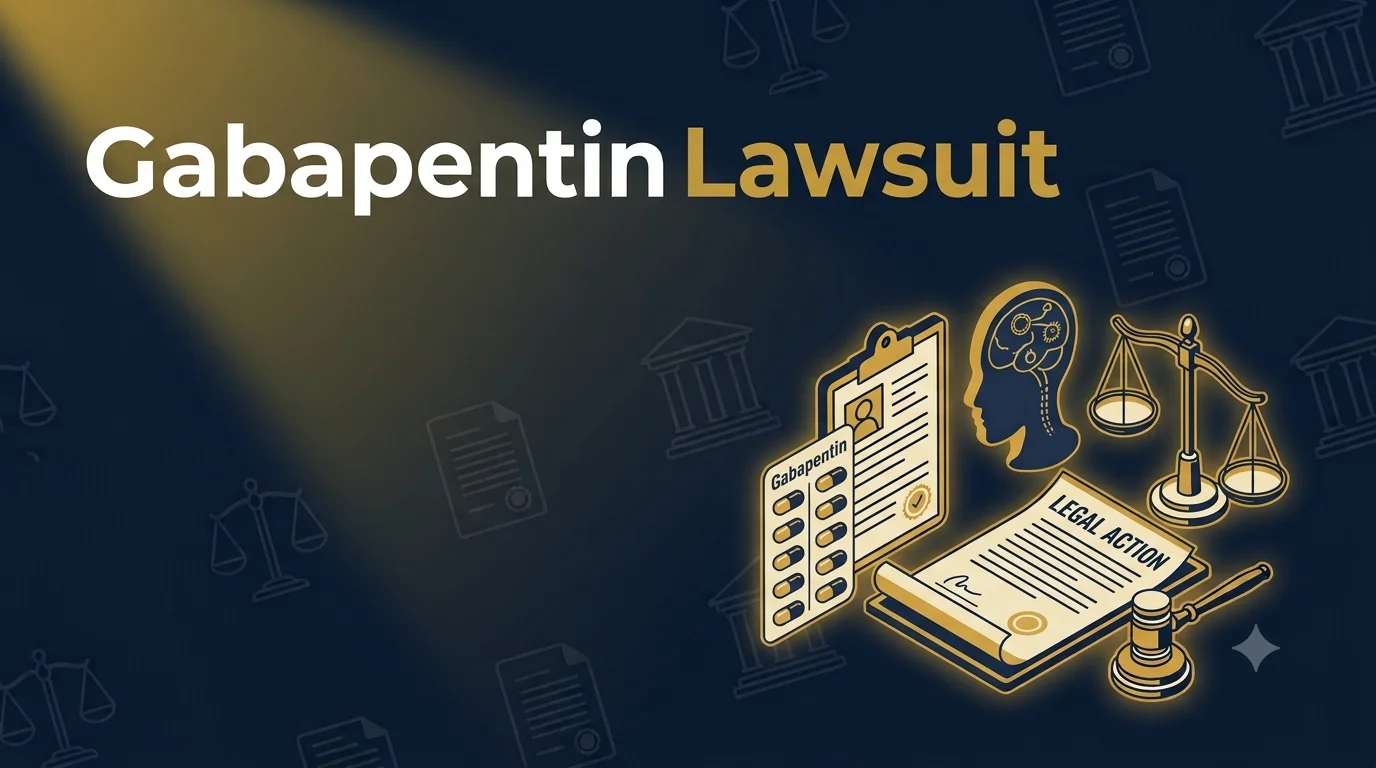
A growing number of individual lawsuits accuse Pfizer and other gabapentin manufacturers of failing to warn patients that long-term use of the widely prescribed nerve pain and seizure medication may significantly increase the risk of dementia and cognitive decline.
The stakes are substantial: gabapentin is one of the most commonly prescribed drugs in the United States, often used off-label for chronic pain, migraines, and anxiety, and recent research cited in these lawsuits reports nearly double the dementia risk among frequent users.
This litigation follows a familiar pattern seen in other emerging pharmaceutical mass torts, where individual lawsuits accumulate before any formal consolidation takes place.
In this article, you’ll learn what the gabapentin lawsuit alleges, what the scientific research actually shows, who may have a potential claim, and why there’s currently no settlement or class action to file into.
Here’s a fact that stands out: according to research cited in these complaints, patients under 50 who took gabapentin repeatedly for chronic pain reportedly faced more than double the typical dementia risk and roughly triple the risk of mild cognitive impairment within a decade.
Quick Facts
| Plaintiffs | Individual patients nationwide who developed dementia or cognitive impairment after long-term gabapentin use |
| Defendant | Pfizer Inc. (maker of brand-name Neurontin) and, in some claims, generic gabapentin manufacturers |
| Court | No single consolidated court yet — lawsuits are being filed individually in various state and federal courts |
| Case Type | Emerging mass tort litigation (individual product liability lawsuits) — not a certified class action or consolidated MDL |
| Core Allegation | Manufacturers allegedly failed to warn that long-term gabapentin use, especially for off-label conditions, increases dementia and cognitive impairment risk |
| Filing Date | Individual lawsuits reported beginning in 2025 and continuing into 2026; no MDL petition confirmed as of this writing |
What Is the Gabapentin Lawsuit About?
The gabapentin lawsuit refers to a growing wave of individual product liability cases alleging that Pfizer and related manufacturers failed to adequately warn patients and doctors that long-term gabapentin use could increase the risk of dementia, mild cognitive impairment, and memory loss.
Gabapentin, sold under the brand name Neurontin and widely available as a generic, is FDA-approved for epilepsy and nerve pain following shingles, but it is frequently prescribed off-label for chronic back pain, migraines, fibromyalgia, and anxiety. These lawsuits center specifically on patients who used the drug repeatedly, often for those off-label conditions, and later developed cognitive decline.
Key Takeaway: This isn’t a lawsuit about the drug failing to treat seizures or nerve pain — it’s about an alleged long-term cognitive risk that plaintiffs say wasn’t adequately disclosed, especially for off-label use.
Gabapentin Lawsuit Legal Status: Is There a Class Action or MDL?
As of this writing, there is no certified class action and no consolidated multidistrict litigation (MDL) for gabapentin dementia claims. Cases are proceeding as individual product liability lawsuits filed in various courts.
- No MDL Petition: Reports indicate no petition has yet been filed with the Judicial Panel on Multidistrict Litigation to consolidate gabapentin dementia cases, though legal commentators expect one could be filed later in 2026 if case volume continues to grow.
- No Settlement Fund: There is no open settlement, claim form, or compensation program for these claims.
- Individual Filings: Lawsuits are being filed one at a time by different law firms on behalf of individual patients and families nationwide.
Key Takeaway: Because this litigation hasn’t been consolidated, there’s no single case number, court, or judge to point to — each lawsuit currently stands on its own, which also means there’s no active claims process for the general public to join yet.
Latest Update 2026
The gabapentin dementia litigation remains in an early, pre-consolidation stage as of mid-2026.
- 2025: The most recent wave of individual lawsuits began, focusing specifically on long-term neurological effects and adequacy of warnings, distinct from older Neurontin litigation over marketing practices.
- Early-to-mid 2026: Law firms continue actively screening and filing individual cases, with legal commentary suggesting an MDL petition is increasingly likely given rising case volume, though none had been confirmed filed as of this writing.
- As of this writing: No mass settlements, jury verdicts, or established compensation program have been publicly reported specifically for gabapentin dementia claims.
Key Takeaway: This litigation is still young enough that its ultimate trajectory, including whether it consolidates into an MDL, remains uncertain — treat any claims of an established settlement process as premature.
Key Allegations Against Pfizer and Gabapentin Manufacturers
Plaintiffs in these individual lawsuits generally raise a consistent set of claims.
- Manufacturers allegedly failed to adequately warn patients and prescribing physicians about a potential link between long-term gabapentin use and cognitive decline.
- The claims focus heavily on off-label prescribing, arguing the risk-benefit calculation is different when the drug is used for conditions like chronic pain rather than its FDA-approved uses.
- Plaintiffs argue that had they and their doctors known about the potential dementia risk, they may have pursued alternative treatments.
- Pfizer has not been reported as publicly conceding these allegations, and no court has yet ruled on the merits of the dementia-specific claims.
Key Takeaway: The core legal theory is a failure-to-warn claim tied to newer research, not a claim that gabapentin is inherently unsafe for its originally approved uses like epilepsy.
Health Risks Explained: Gabapentin and Dementia
The scientific basis for these lawsuits comes from a handful of recent studies examining long-term gabapentin use and cognitive outcomes.
- A 2025 study, reportedly from Case Western Reserve University and published in Regional Anesthesia & Pain Medicine, examined chronic low back pain patients and found that those with six or more gabapentin prescriptions had a risk ratio of approximately 1.29 for dementia and 1.85 for mild cognitive impairment within 10 years, compared to patients without such prescriptions.
- The same research reportedly found notably higher relative risk among younger patients, with those aged 35 to 49 facing more than double the typical dementia risk and roughly triple the mild cognitive impairment risk.
- A 2023 study using Taiwan’s National Health Insurance database, covering more than 200,000 patients, reportedly found increased dementia risk associated with higher cumulative gabapentin doses.
- A 2022 study published in Frontiers in Pharmacology reportedly linked gabapentin initiation to neurocognitive and functional decline in older adults.
Key Takeaway: This research shows an associated increase in risk across large patient populations — it does not establish that gabapentin caused dementia in any specific individual, which is a distinction that will matter significantly in individual lawsuits.
Myth-Check: Does Gabapentin Cause Dementia in Everyone Who Takes It?
No. The studies underlying this litigation describe a statistical association at the population level, particularly among patients with frequent, long-term prescriptions, not a guaranteed individual outcome.
Millions of patients have taken gabapentin safely for its approved uses, including epilepsy and shingles-related nerve pain, without developing dementia. The lawsuits specifically focus on patterns of repeated, often off-label use over extended periods, combined with a subsequent early-onset cognitive decline diagnosis.
Key Takeaway: An elevated statistical risk across a large study population is different from proof of individual causation — this distinction is likely to be central to how any future gabapentin dementia cases are litigated.
Pfizer and Neurontin Company Background
Gabapentin was originally developed and marketed as Neurontin by Parke-Davis, a subsidiary later acquired by Warner-Lambert, which was itself acquired by Pfizer in 2000. Generic versions of gabapentin have been widely available for years and are now manufactured by numerous companies.
Neurontin has a notable prior legal history: Pfizer and its subsidiaries previously faced major litigation and even a criminal guilty plea related to off-label marketing practices in the early 2000s, well before this current wave of dementia-related lawsuits emerged.
Key Takeaway: This isn’t Pfizer’s first legal fight over Neurontin, but the current dementia allegations are a distinct, more recent legal theory unrelated to the earlier off-label marketing cases.
Past Neurontin Litigation and Settlements for Context
It’s worth understanding that Neurontin has a significant litigation history separate from the current dementia claims, since this earlier history is sometimes conflated with the newer cases.
- In the mid-2000s, Parke-Davis pleaded guilty to criminal charges related to off-label marketing, resulting in a reported $430 million resolution tied to a whistleblower case.
- Pfizer separately reached a reported $325 million settlement over allegations of improper marketing to insurers and healthcare providers.
- A federal appeals court reportedly upheld a $142 million verdict in favor of Kaiser Foundation Health Plan over off-label marketing practices.
- A separate reported $190 million settlement resolved claims brought by wholesalers, distributors, and pharmacy chains related to patent litigation.
Key Takeaway: None of this historical litigation involved dementia or cognitive decline claims — it centered on marketing and patent practices, so these older settlements are not a preview of how the current dementia allegations will play out.
Who May Qualify for a Gabapentin Lawsuit? Eligibility Criteria
Because there is no certified class or settlement, “eligibility” at this stage refers to the criteria law firms are generally using to screen potential individual cases, not a confirmed compensation program. Commonly cited criteria include:
- Use of gabapentin on six or more occasions, generally sometime between 2000 and 2024.
- Use primarily for off-label conditions, such as chronic back pain, migraines, fibromyalgia, or anxiety, rather than FDA-approved uses like epilepsy or shingles-related nerve pain.
- A subsequent diagnosis of dementia or mild cognitive impairment, with stronger cases often involving diagnosis before age 65.
- A documented medical timeline connecting gabapentin use to the later cognitive decline, with limited alternative explanations.
Important: These are law firm case-screening guidelines, not eligibility criteria for an existing settlement fund — meeting them means you may have a case worth having an attorney evaluate, not that compensation is guaranteed or currently available.
Gabapentin Lawsuit Settlement Amount: Payout Estimates
No settlement fund, verdict, or reliable average payout currently exists for gabapentin dementia claims, since this litigation is still new and unconsolidated.
- Some law firm marketing materials speculate that potential individual case values could range from the tens of thousands of dollars to over $1 million in more severe cases, but these figures are unverified estimates, not confirmed outcomes from any court or settlement.
- Actual compensation, if any is ever awarded, would likely depend heavily on the severity of the diagnosis, documented medical costs, lost income, and the strength of the causation evidence in each individual case.
Key Takeaway: Treat any specific dollar figure connected to this litigation as speculative marketing language at this stage — there is no factual basis yet for a typical or expected payout.
How a Gabapentin Payout Could Eventually Be Calculated
If this litigation eventually consolidates into an MDL or produces settlements, compensation would likely be evaluated using factors common to other pharmaceutical failure-to-warn cases:
- Documented medical expenses related to dementia or cognitive impairment diagnosis and care.
- Lost wages or reduced earning capacity connected to the cognitive decline.
- Pain and suffering or loss-of-quality-of-life damages tied to the severity of the diagnosis.
- The strength of the causal link between the individual’s gabapentin use pattern and their specific diagnosis, likely supported by expert medical testimony.
This process cannot meaningfully begin until the litigation reaches a more mature stage, such as consolidation, a bellwether trial, or a negotiated settlement — none of which has occurred as of this writing.
How to Find Out If You Have a Potential Claim
Because there is no open settlement or claim form, anyone concerned about a potential gabapentin-related injury would need to pursue an individual case evaluation rather than filing into an existing process.
- Gather medical records documenting your gabapentin prescription history, including dosage, duration, and the condition it was prescribed for.
- Gather documentation of any subsequent dementia or cognitive impairment diagnosis, including the diagnosing physician’s records.
- Consult with a law firm handling gabapentin dementia cases for a free case evaluation, typically offered on a contingency-fee basis.
- Understand that accepting a case for review does not guarantee compensation, since this area of litigation remains unresolved.
Key Takeaway: The right first step today is a case evaluation with an attorney, not filing a claim form, since no compensation program currently exists to file into.
Filing Deadline and Statute of Limitations
There is no settlement claims deadline to track, since no settlement exists. However, individual lawsuits are still subject to each state’s statute of limitations for product liability and failure-to-warn claims, which typically begin running from the date of diagnosis or the date a reasonable person would have connected their condition to the medication.
Because these deadlines vary significantly by state and can be complex in cases involving a diagnosis long after initial drug use, anyone considering a claim should not delay in consulting an attorney to evaluate their specific timeline.
Key Takeaway: The absence of a settlement deadline doesn’t mean there’s no time pressure — individual state statutes of limitations can still cut off your ability to file a claim.
Is the Gabapentin Lawsuit a Scam?
The underlying concern, research, and individual lawsuits are real, and reputable law firms are actively evaluating these cases. However, because this area of litigation is generating significant online attention without an established settlement process, it’s a plausible target for misleading marketing.
- Be skeptical of any source promising a guaranteed payout amount, since no settlement or verdict has established typical compensation for these claims.
- Legitimate case evaluations from established law firms are free and should never require upfront payment.
- Confirm you’re working with a licensed law firm rather than an unaffiliated “claims processing” service, since this litigation currently has no official settlement administrator of any kind.
Key Takeaway: The litigation itself is legitimate, but the lack of an established claims process makes this a good moment to verify who you’re actually talking to before sharing personal medical information.
Other Related Drug Injury Lawsuits for Context
The gabapentin dementia litigation follows a pattern seen in other pharmaceutical injury cases, where individual lawsuits accumulate around emerging research before any formal consolidation occurs.
For broader context on how other prescription drug injury cases have progressed from individual filings to consolidated litigation, see our related coverage of other pharmaceutical mass tort cases working through similar early stages.
Key Takeaway: If you’re researching “the gabapentin lawsuit” expecting the same kind of established claims process seen in older, consolidated pharmaceutical litigation, it’s important to recognize this case is still much earlier in that process.
Read: Gardasil Lawsuit
Read: Volvo Infotainment Lawsuit
Read: Morgan and Morgan DoorDash Lawsuit
Read: Naviance Class Action Lawsuit
Read: TurboTax Lawsuit
Frequently Asked Questions
What is the gabapentin lawsuit about?
The gabapentin lawsuit refers to a growing number of individual lawsuits alleging that Pfizer and related manufacturers failed to warn patients that long-term gabapentin use, particularly for off-label conditions like chronic pain, may increase the risk of dementia and cognitive decline. These claims are based on research published in 2022, 2023, and 2025 showing statistical associations between frequent gabapentin use and later cognitive impairment, though no lawsuit has yet resulted in a verdict or settlement.
Who may qualify for a gabapentin lawsuit?
There is no certified settlement class, so formal eligibility hasn’t been established. Law firms generally look for patients who used gabapentin six or more times, often for off-label conditions such as chronic pain or migraines, and who were later diagnosed with dementia or mild cognitive impairment, ideally before age 65. Meeting these criteria may make a case worth an attorney’s evaluation, but it does not guarantee compensation.
How much could a gabapentin lawsuit pay out?
No settlement, verdict, or reliable average payout currently exists for these claims, since the litigation remains unconsolidated and early-stage. Some legal marketing suggests individual case values could range from tens of thousands of dollars to over $1 million in severe cases, but these figures are unverified estimates rather than confirmed outcomes, and actual compensation would depend heavily on each case’s specific medical and causation evidence.
Why hasn’t the gabapentin lawsuit been consolidated into an MDL yet?
Multidistrict litigation consolidation typically requires a sufficient volume of similar cases filed across federal courts before the Judicial Panel on Multidistrict Litigation will consider a formal petition. As of this writing, legal commentators note that gabapentin dementia case filings have been increasing since 2025, and many expect an MDL petition could be filed later in 2026, but no such consolidation has been confirmed yet.
Is there a deadline to file a gabapentin lawsuit?
There is no settlement claims deadline because no settlement currently exists. However, individual lawsuits remain subject to each state’s statute of limitations for product liability and failure-to-warn claims, which can vary based on when a diagnosis occurred and when a person reasonably connected their condition to gabapentin use. Anyone concerned about a potential claim should consult an attorney promptly rather than assuming unlimited time to act.
What to Know Now About the Gabapentin Lawsuit
The gabapentin lawsuit reflects a genuinely emerging area of pharmaceutical litigation, built on real, recent research linking long-term use to increased dementia risk, but it has not yet reached the stage of a consolidated case, a settlement, or a public claims process.
If you or a family member used gabapentin long-term, particularly for an off-label condition, and were later diagnosed with dementia or cognitive impairment, the most useful step today is documentation and a legal consultation, not searching for a claim form that doesn’t yet exist.
What’s worth doing now:
- Gather prescription records showing how often and for how long gabapentin was used, and for what condition.
- Gather medical records documenting any dementia or cognitive impairment diagnosis and its approximate timeline.
- Consult a law firm handling these cases for a free evaluation before assuming eligibility or compensation either way.
- Watch for developments in 2026 regarding a potential MDL petition, which would mark a significant shift in how this litigation proceeds.
Readers should rely on direct attorney consultations and established legal news coverage for updates, since this litigation is still developing and details can change quickly.
- Simmons Hanly Conroy, “Neurontin® & Gabapentin Lawsuit for Dementia (2026)”
- Sokolove Law, “Gabapentin Lawsuit Settlements for Dementia (July 2026)”
- Lawsuit Information Center, “Gabapentin Dementia Lawsuit”
- Robert King Law Firm, “Gabapentin Lawsuit for Dementia [2026 Update]”
- Top Class Actions, “Neurontin While Pregnant May Increase Risk of Birth Defects” (historical context)
- KBSD6, “Gabapentin Lawsuit 2025: The Dementia Link That’s Shaking Big Pharma”
Sources
- Simmons Hanly Conroy, “Neurontin® & Gabapentin Lawsuit for Dementia (2026)”
- Sokolove Law, “Gabapentin Lawsuit Settlements for Dementia (July 2026)”
- Lawsuit Information Center, “Gabapentin Dementia Lawsuit”
- Robert King Law Firm, “Gabapentin Lawsuit for Dementia [2026 Update]”
- Top Class Actions, “Neurontin While Pregnant May Increase Risk of Birth Defects” (historical context)
- KBSD6, “Gabapentin Lawsuit 2025: The Dementia Link That’s Shaking Big Pharma”